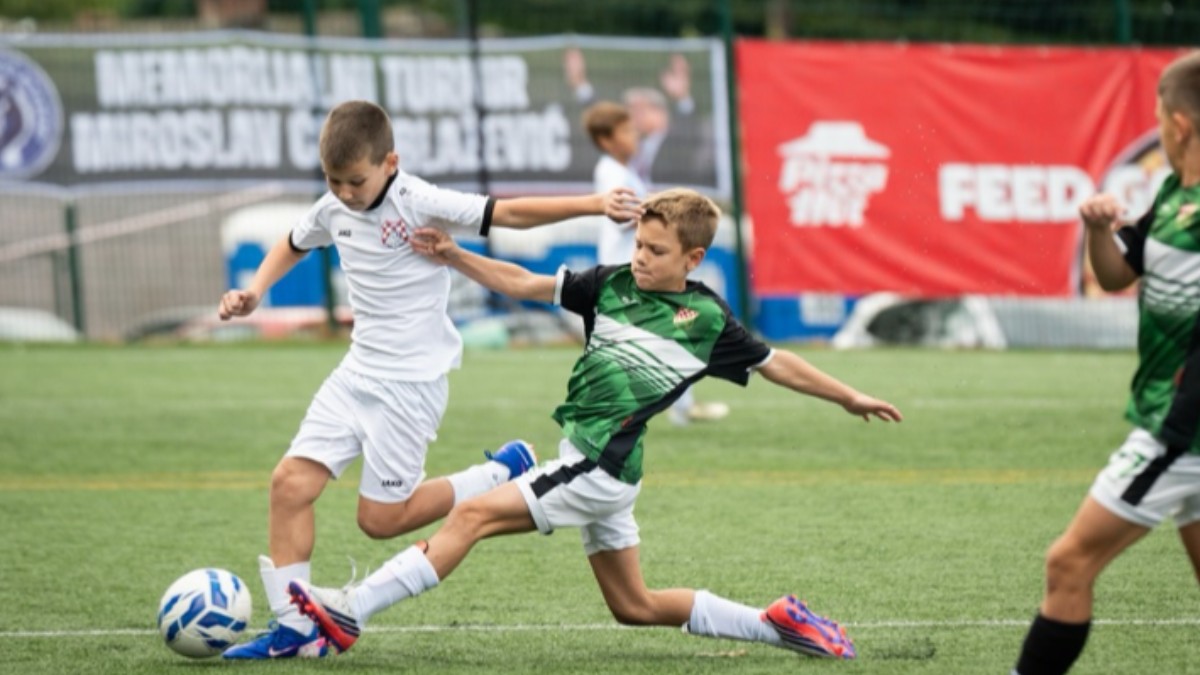
When parents in the stands start whispering that their child "has something," few know what that "talent" actually entails and, more importantly, what is needed to ensure it doesn't get lost on the way to senior football.
The science of developing young athletes has long shown that genetics provides only a starting point – everything else is the result of years of patient work, quality leadership, and support from the environment.
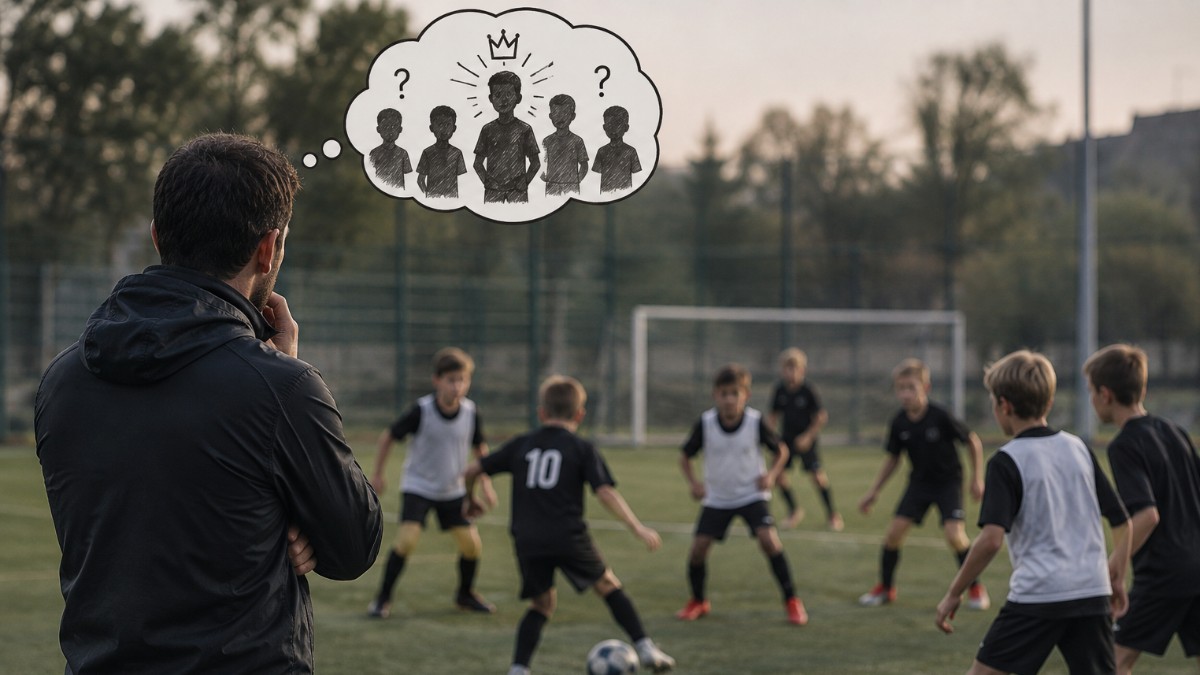
What do scouts actually look for?
When experts assess a young player, they rarely look only at the number of goals scored. The focus is on a combination of technical proficiency (ball control, passing accuracy, finishing), tactical intelligence (the ability to "read" the game), and physical predispositions such as speed and coordination.
However, experienced coaches agree that without work ethic, discipline, and the ability to withstand the pressures of competition, even the greatest potential will not go far.
Why is the early period crucial?
The age from 6 to 10 years is considered the most sensitive phase of development. During this period, a child should enjoy free play, improvisation, and contact with the ball, rather than being burdened with strict tactical tasks.
Football schools that insist solely on results at this age risk stifling the natural creativity that later makes the difference between an average and an exceptional player.
Individual work as a supplement to club training
Group training lays the foundation, but players make the greatest progress when they additionally work on their own weaknesses – whether it’s playing with the weaker foot, changing direction quickly, or shooting accuracy.
It is this additional, individual work that separates children who "have potential" from those who turn that raw talent into real skill.
Mental strength and the role of family
Football is largely played with the mind. Many talented players have failed in professional waters due to lack of mental resilience – fear of making mistakes, inability to cope with defeat or pressure from the environment.
Here, the role of parents is extremely important, but sensitive: excessive expectations can stifle the love for the game, while proper support – without criticizing every mistake and trusting the coaching work – gives the child the confidence to play relaxed.
Recovery and nutrition are not details but the foundation
For children training more intensively, proper hydration, balanced nutrition, and, above all, enough sleep become key factors for progress and injury prevention.
A body that does not recover properly can hardly meet the demands of increasingly intense modern football, even in younger categories.
Visibility in the digital age
Today, it is no longer enough for a child to be good on the field – it is also important to be "visible." Match recordings, goals, and best moves shared through modern scouting platforms are increasingly the first contact between a young player and a club or coach looking for reinforcements. Scouts are traveling less frequently to every match live – instead, they first search databases and player profiles.
A region that constantly "exports" talent
The area of the former Yugoslavia has been considered one of the most fertile football "nurseries" in Europe for decades. According to FIFA's research on the global player market, Serbia was once among the top exporters of footballers in the world, alongside countries like France, Nigeria, and Uruguay.
Recent data confirms this: Serbia has the most footballers in the five strongest European leagues among all countries of the former SFRY, enough to form even three national teams, while Croatia is closest with 28 players in those leagues.
Experts, however, warn that quantity does not always follow quality – football agents emphasize that the region has a systemic problem with the lack of a clearly defined path for player development, from the youngest categories to the national team, unlike countries like the Netherlands, France, or Belgium that established such a system long ago.
Conclusion
The development of football talent is a marathon, not a sprint. A combination of early, healthy introduction to the sport, quality individual work, mental stability, family support, and proper care for the body makes the difference between a child who loves football and a future professional.
The region has plenty of potential – as evidenced by the numbers from the strongest European leagues – but the system that consistently transforms this children's football potential into top-quality products remains a challenge that both clubs and football schools throughout the former Yugoslavia must work much harder on.
 Razvoj dece
Edukacija
Razvoj dece
Edukacija